















































































































































Common Pitfalls
Windows Token Pitfalls (OSCP-Relevant)
Understanding why “this should work but doesn’t” usually comes down to tokens, logon types, and session reuse.
1. Group Membership ≠ Token Update (Logoff Required)
Symptom
- Added to a group
- Access still denied
- Privileges missing
- Local admin actions fail
Why
- Group membership is evaluated at logon
- Existing access token is not refreshed
Fix
- Log out and log back in or
- Start a new logon session (new RDP / WinRM / SMB)
Closing a shell is not enough if the logon session persists.
2. Network Logon vs Interactive Logon
Not all logons produce the same token.
| Logon Type | Example | Token |
|---|---|---|
| Interactive | RDP / Console | Full |
| Network | SMB, PsExec (default) | Limited |
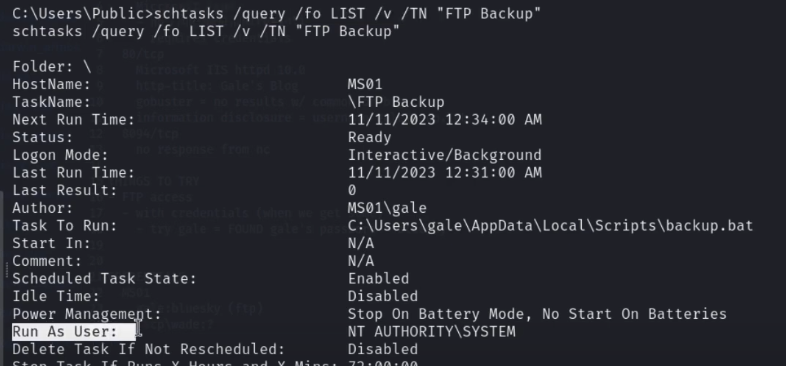
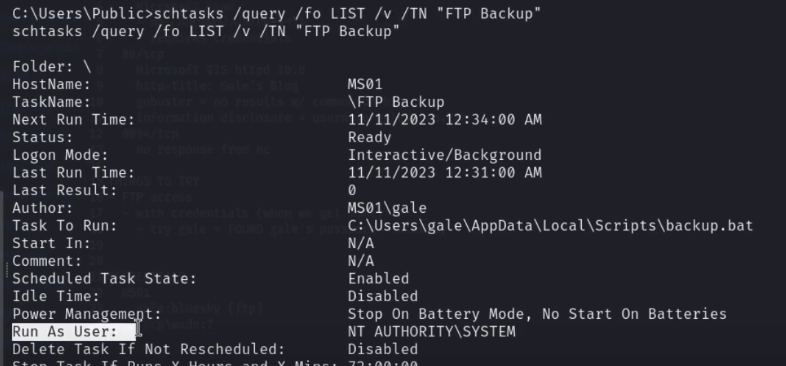
| Batch | Scheduled tasks | Limited |
| Service | Windows services | Service token |
Common OSCP Pitfall
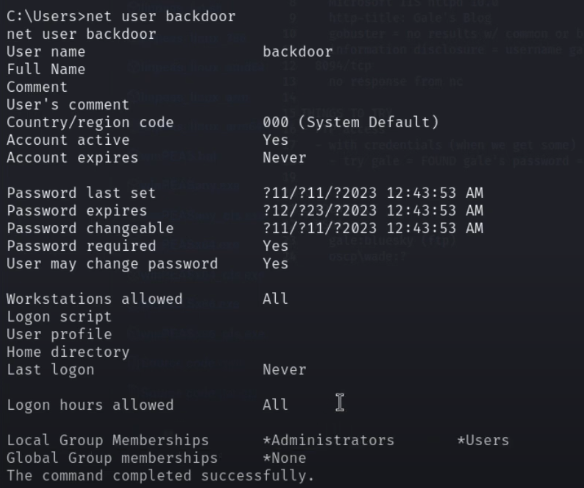
- Added to Administrators
- Still denied when using PsExec or SMB
Why
- Network logon ≠ full interactive token
Fix
- RDP into the host
- Use WinRM / PowerShell Remoting
- Explicitly request interactive execution
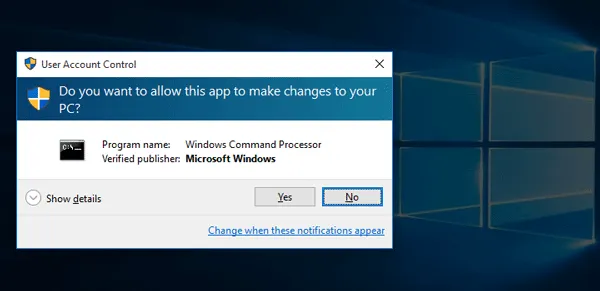
3. UAC Filtering (Local Admin ≠ Elevated)
Symptom
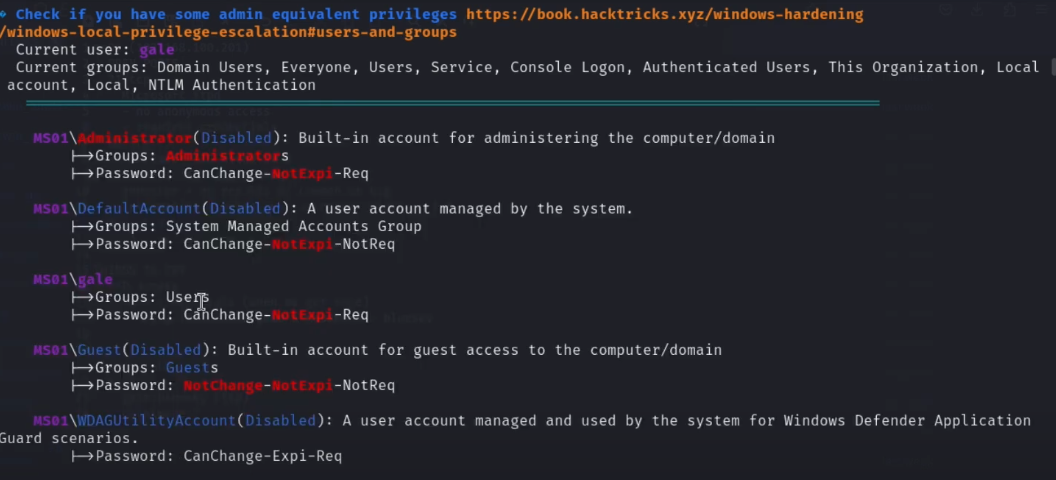
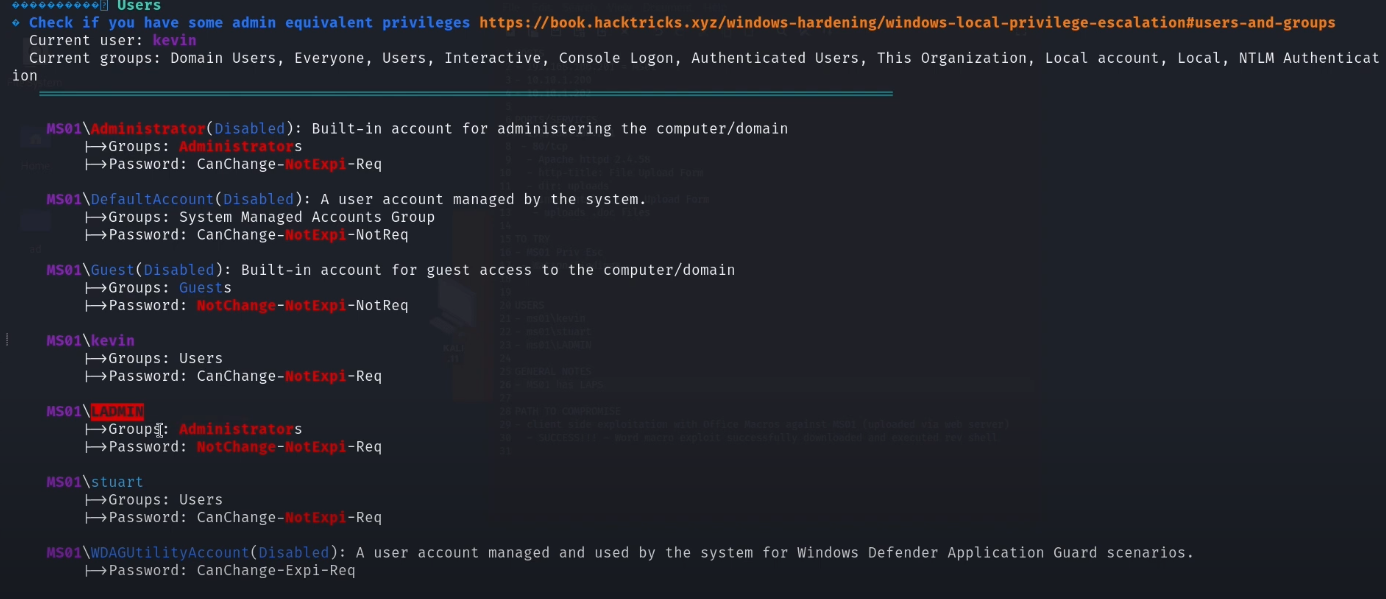
- In Administrators
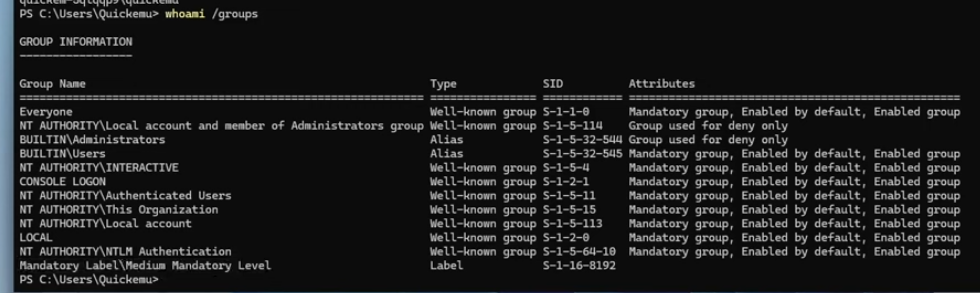
whoami /groupsshows admin- Admin actions still fail
Why
- UAC creates:
- Filtered token (default)
- Elevated token (on approval)
Fix
- Spawn elevated shell
- RDP and “Run as administrator”
- Disable UAC (rare in OSCP)
OSCP Nuance
- Local admin ≠ SYSTEM
- Local admin ≠ domain admin
4. -Credential Bypasses Your Updated Token
Why It Matters
Using:
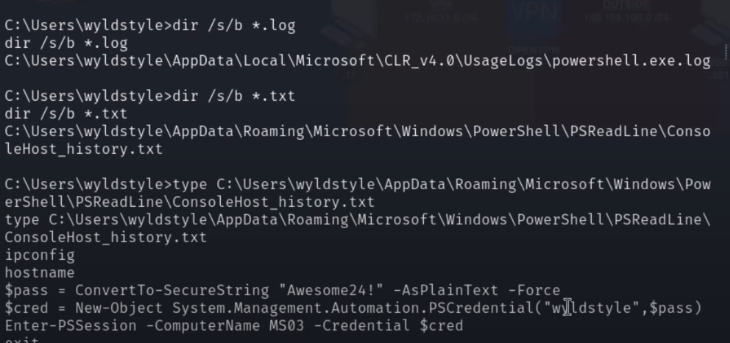
-Credential DOMAIN\user
- Creates a new logon session
- Uses supplied credentials
- Ignores your current token
If the credentials don’t reflect new group membership, privileges won’t apply.
Common Mistake
- Add yourself to a group
- Keep using
-Credential - Privileges appear “broken”
Rule
After modifying your own rights, stop using
-Credential.
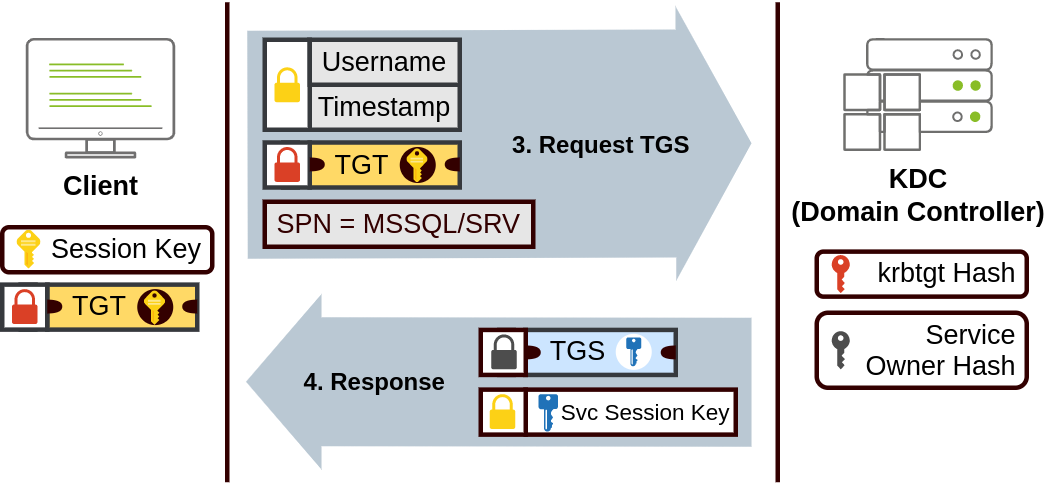
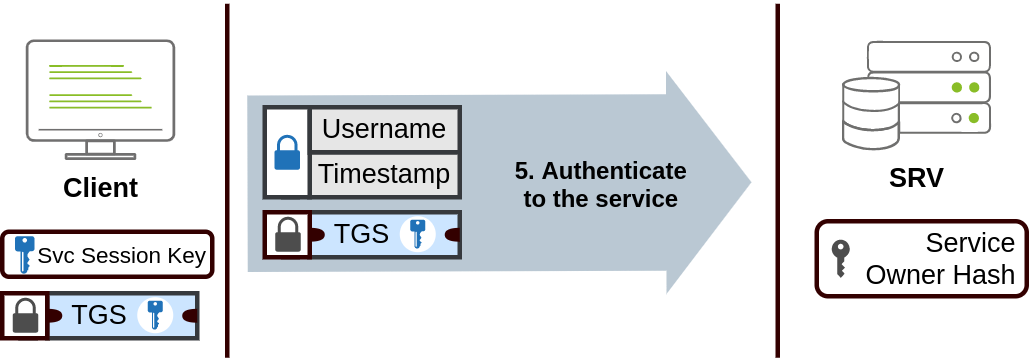
5. Kerberos Tickets Don’t Auto-Update
Symptom
- Group added
- Still denied access to:
- CIFS
- LDAP
- WinRM
- SQL
Why
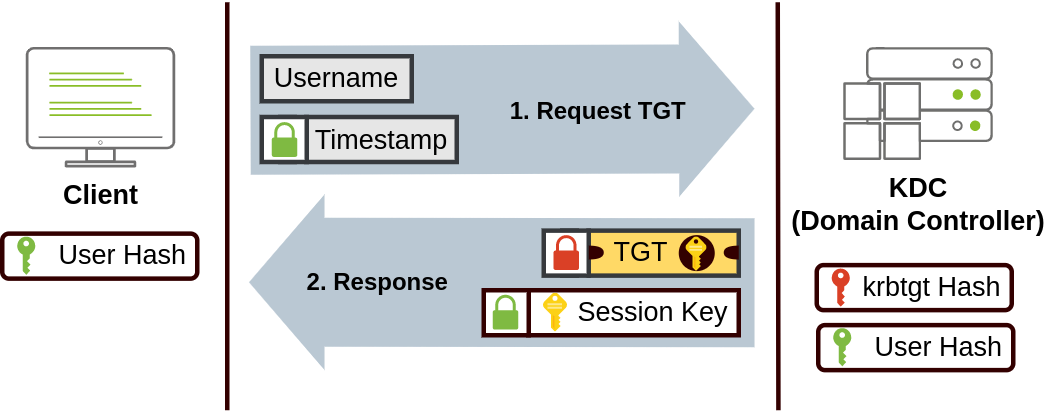
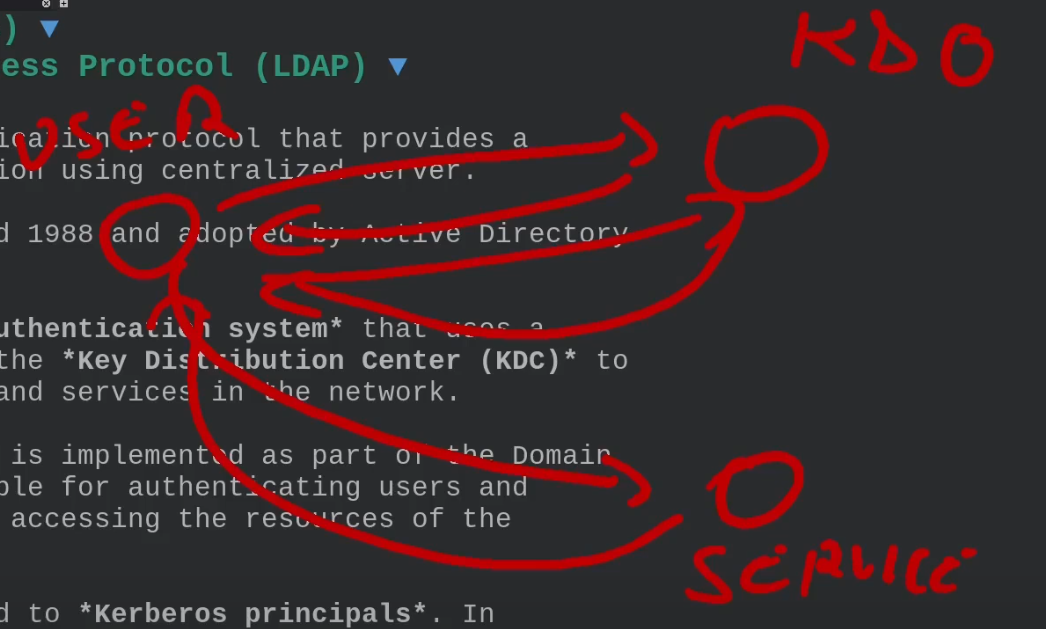
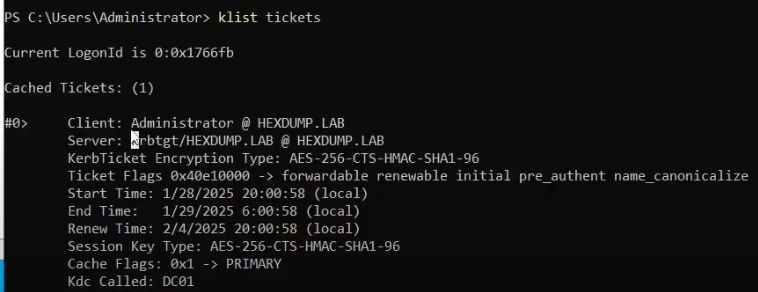
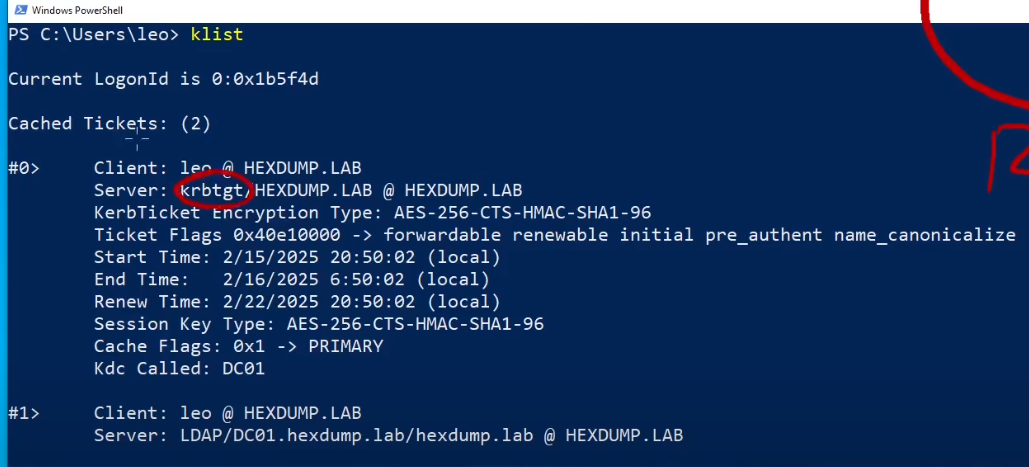
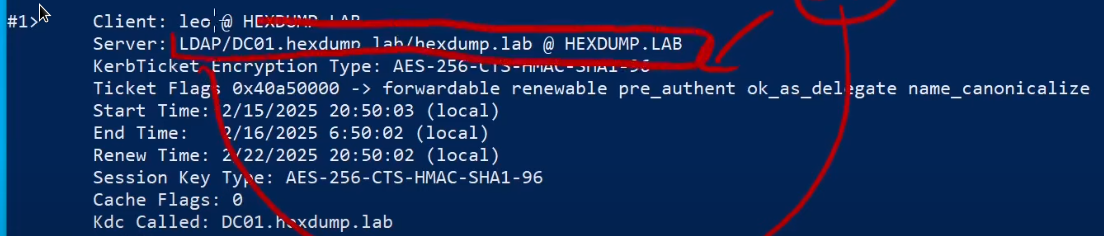
- Kerberos tickets are issued at logon
- Group SIDs are cached
Fix
- Log out / log back in
- Or purge tickets:
klist purge
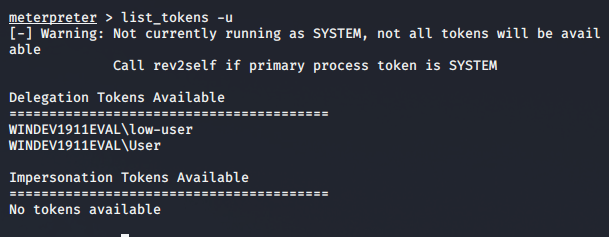
6. Impersonation Token ≠ Primary Token
Symptom
- Some actions work
- Others fail unexpectedly
Why
- Impersonation tokens:
- Can access resources
- Cannot spawn fully privileged processes
OSCP Angle
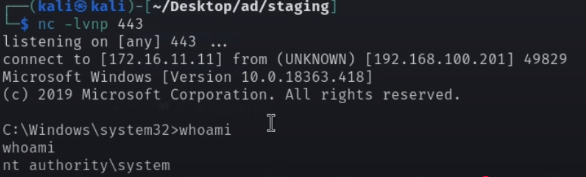
- JuicyPotato / PrintSpoofer may give SYSTEM
- But nested actions can fail if token isn’t primary
Always Ask
Am I SYSTEM, or just impersonating SYSTEM?
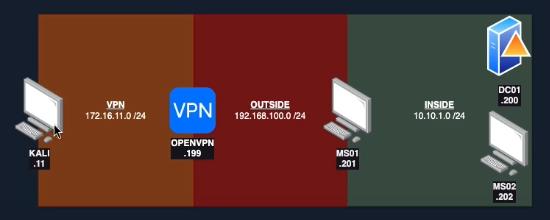
7. Local Admin on DC ≠ Domain Admin
Why
- Domain Controllers have no local accounts
- “Local admin” ≠ domain admin
- Many tools require DA explicitly
Symptom
- Admin rights on DC
- Cannot:
- Modify domain objects
- Perform DCSync
Fix
- Domain Admin or
- Explicit replication rights
8. Session Reuse (WinRM, PsExec, SMB)
Symptom
- Privilege escalation succeeded
- Same shell still lacks access
Why
- Sessions cache tokens:
- WinRM keeps same token
- SMB reuses auth session
- PsExec reuses network token
*Fix
- Kill the session
- Reconnect fresh
New privilege → new session
9. Token Privileges vs Group Membership
Groups grant potential privileges.
Tokens expose actual privileges.
Check:
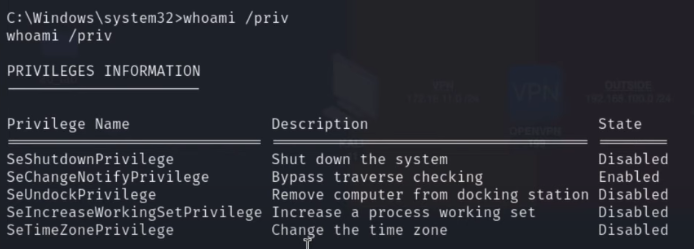
whoami /priv
Common OSCP Blockers
SeBackupPrivilegepresent but disabledSeImpersonatePrivilegemissing or inactive
Fix
- Proper logon type
- SYSTEM context
- Privilege-specific tooling
10. Domain vs Local Group Scope
Example
- Added to Administrators
- Works on one host only
Why
- Local group ≠ domain-wide
- Scope limited to:
- One machine
- One OU via GPO
Always Ask
Where does this group actually apply?
Mental Checklist (Exam Gold)
When something should work but doesn’t:
1. Did I log out and back in?
2. Is this an interactive token?
3. Am I bypassing my token with -Credential?
4. Is Kerberos caching involved?
5. Is UAC filtering me?
6. Is this impersonation or a primary token?
7. Does this group apply here?
One-Sentence OSCP Truth
Privilege escalation in AD is 50% permissions and 50% understanding Windows tokens.